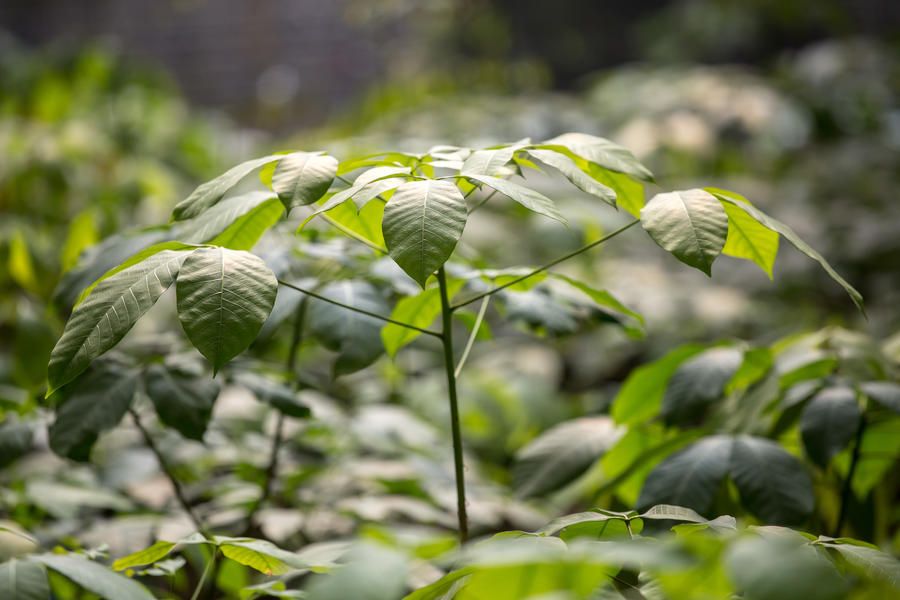
In 2015, Michelin became the first tire manufacturer to make a zero-deforestation commitment as part of its sustainable natural rubber policy. Since then, the Group has sourced only deforestation-free natural rubber.
A fairer, more transparent and more resilient value chain
Across rubber plantations in Asia, Latin America and Africa, thousands of families depend on natural rubber, an essential resource for the tire industry. In these regions, and in response to growing global demand, Michelin is committed to building a fairer, more transparent and more resilient value chain.
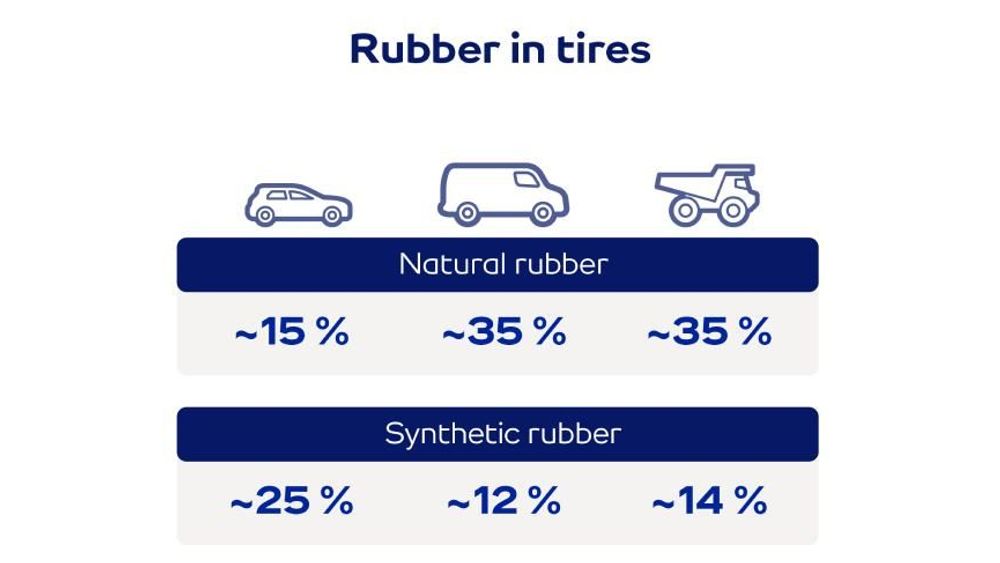
Natural rubber, produced by the rubber tree, has properties that cannot be reproduced in a laboratory. Renewable and a source of wealth and employment, it is essential to the tire industry. On average, it accounts for nearly 15% of the composition of a Michelin passenger-car tire and 35% of a truck or earthmover tire.
The Group Responsible Natural Rubber Policy sets out its commitments and guides its actions to move the industry towards better practices. Published in 2016 and updated in 2021, it was the first policy to be validated as compliant by the Global Platform for Sustainable Natural Rubber (GPSNR). It describes the Group’s contribution to the United Nations Sustainable Development Goals.
Produce, preserve, restore
In the natural rubber value chain, preserving forests, protecting ecosystems and improving the living conditions of local communities are inseparable challenges.
Present across more than 150,000 hectares of plantations worldwide, Michelin draws on more than a century of scientific expertise and long-term partnerships with researchers, ecologists and NGOs to better understand, protect and restore biodiversity. Hundreds of animal and plant species have already been recorded.
Royal Lestari Utama in Indonesia: a vast and complex project
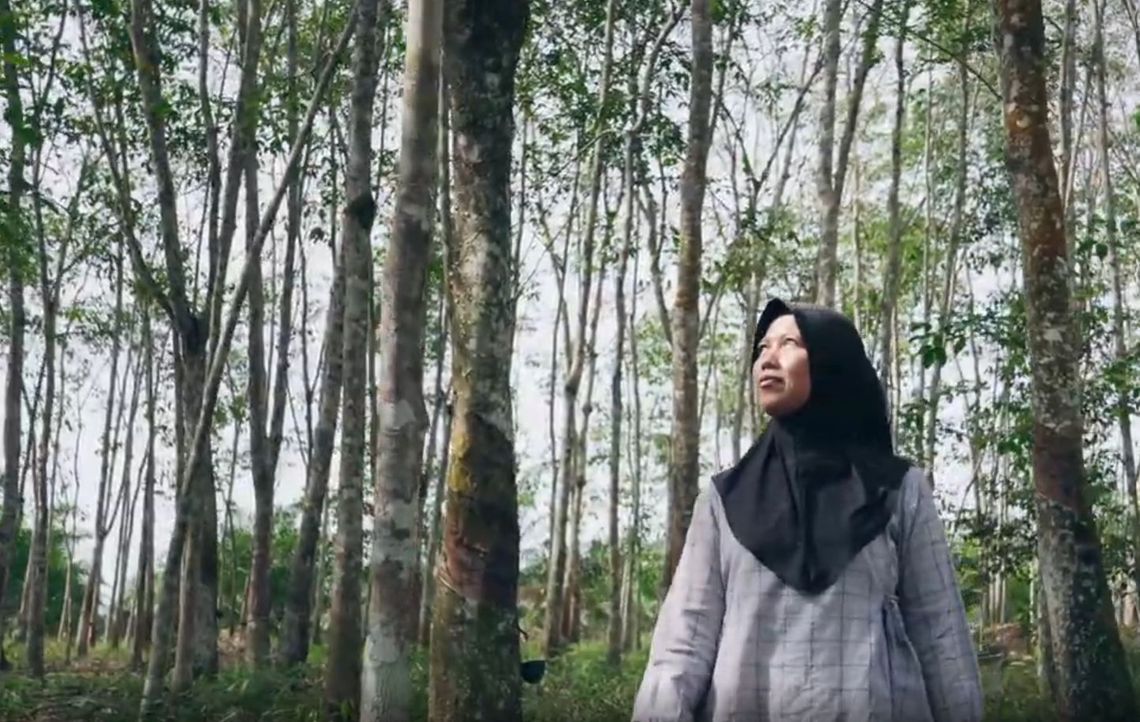
Royal Lestari Utama (RLU) covers 88,000 hectares spread across the 3 concessions in Sumatra and Borneo. These areas had been partly devastated by uncontrolled deforestation before Michelin became involved.
The project developed by the Group since 2015 is on an exceptional scale. RLU, a Michelin subsidiary since 2022, is part of a long-term sustainable development approach, with around 8,000 direct and indirect jobs and a zero-deforestation commitment.
Rubber trees are planted on nearly 30% of the land. 20% of the area is set aside for forest protection and restoration. The remaining land, around 50% of the total area, is dedicated to local communities. Smallholders receive technical support from RLU and the best price for their rubber, as verified by Michelin.
Improving living conditions
Improving living conditions
Creating lasting jobs, integrating local producers into the natural rubber supply chain, and providing training in rubber cultivation and crop diversification place local communities at the heart of RLU’s approach.
Communities also benefit from essential infrastructure, including housing, healthcare, education, water, electricity and mobility.
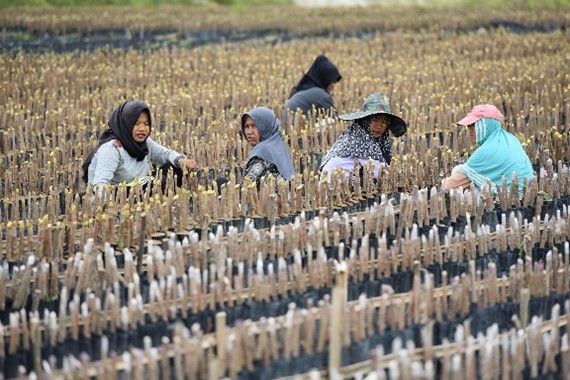
Social conflicts linked to land use remain a major challenge in the region. The project relies on continuous, responsible dialogue with local communities, based on the principle of free, prior and informed consent.
Protecting and restoring tropical forests
Protecting and restoring tropical forests
Tropical forests are home to remarkable biodiversity. Elephants, Sumatran tigers and Bornean orangutans live within and around RLU concessions in Jambi and East Kalimantan.
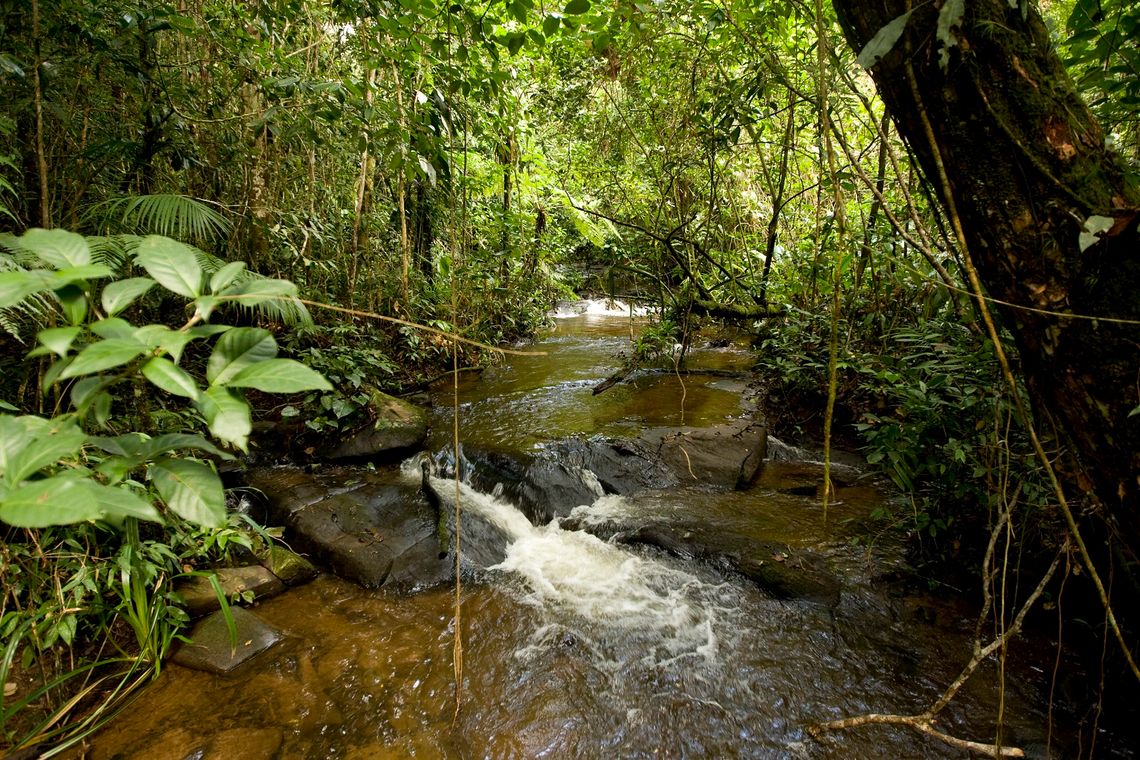
The project takes practical action to protect biodiversity, prevent fires, combat pollution and promote responsible land management, with continuous field monitoring.
Key results
Key results
More than 10 million rubber trees planted across approximately 23,500 hectares
Over 32,000 tonnes of natural rubber produced at the North-East Kalimantan plant
Nearly 15,000 hectares of protected forest, around 20% of the concessions, providing habitat for many threatened species
238 bird species observed and recorded, featured in the book Buzzling Forests, published in 2024
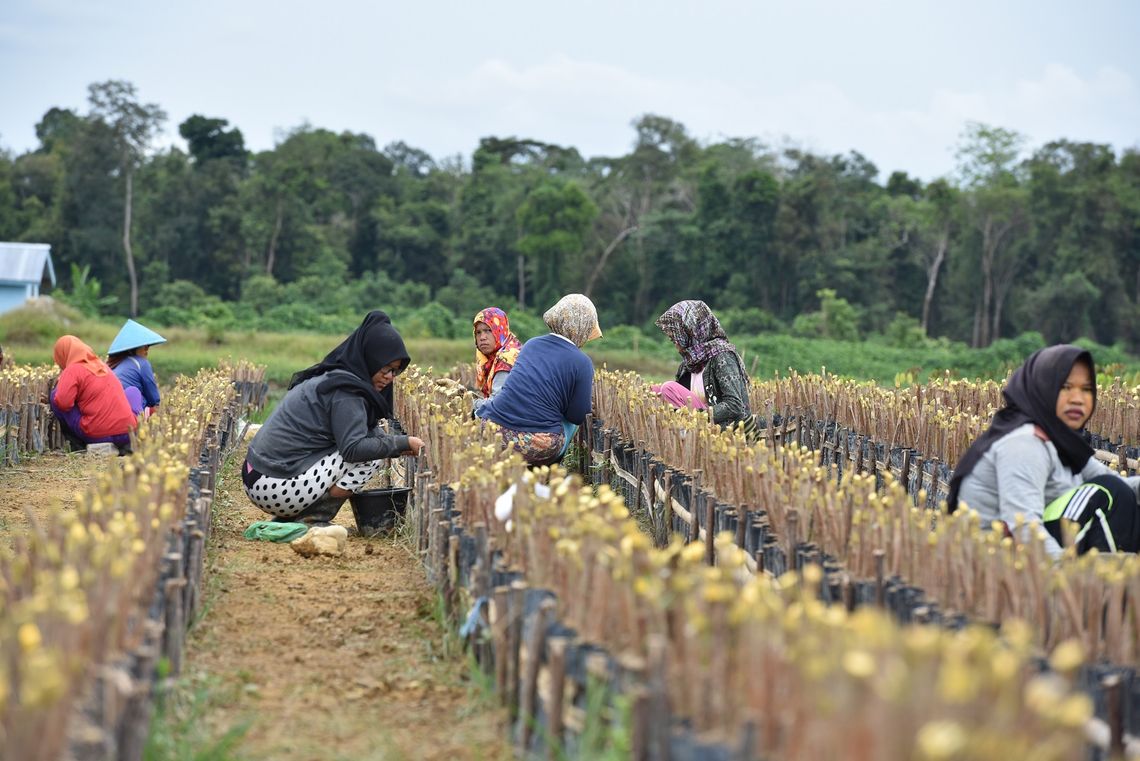
Around 5,000 people housed in 1,200 homes in villages with clinics, schools, water, electricity and waste-management facilities
Over 70,000 kilometres travelled each year by rangers to protect forests and biodiversity
A living wage introduced for all employees since 2024
More than 500 smallholders supported across a total area of 1,551 hectares
Société Internationale de Plantations d’Hévéas in West Africa
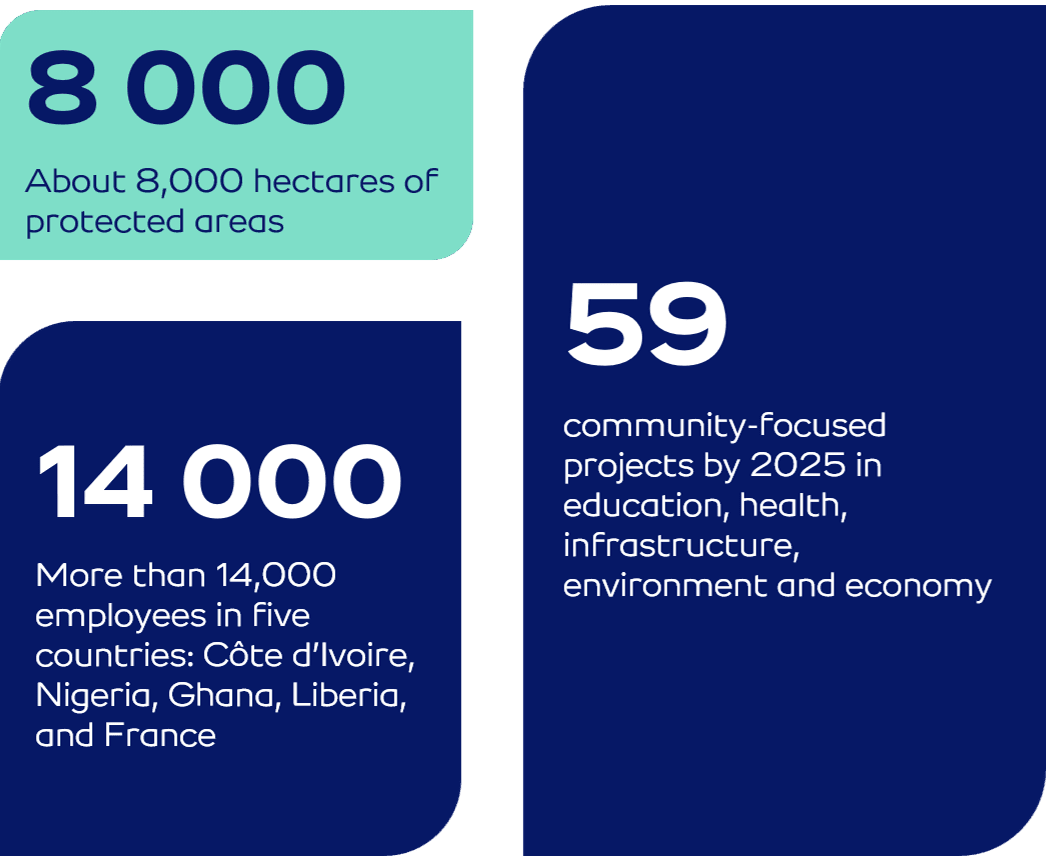
A historic leader in the region’s natural rubber sector, Société Internationale de Plantations d’Hévéas (SIPH) is Africa’s leading natural rubber producer, with more than 60,000 hectares of plantations in Côte d’Ivoire, Ghana, Nigeria and Liberia. Its ten plants process rubber from its own plantations and from thousands of independent smallholders, who account for nearly 80% of the 400,000 tonnes produced each year.
SIPH is a founding and active member of the Global Platform for Sustainable Natural Rubber (GPSNR). Its shareholders, SIFCA and Michelin, have made joint commitments and work together in four priority areas: employee health, safety and working conditions; responsible plantations; engagement with local communities; and environmental protection, including zero deforestation and biodiversity conservation.
Supporting local farmers
Supporting village plantations and smallholders is central to SIPH’s approach. Purchases from farmers are increasing and make a major contribution to local economic development. Product traceability throughout the natural rubber value chain is based on the European Union Deforestation Regulation (EUDR) and human-rights requirements.
Michelin Ecological Reserve in Bahia, Brazil
A landscape brought back to life. What began as a rubber production area has become a place primarily dedicated to biodiversity conservation and restoration.
Across 3,950 hectares, the ecological reserve embodies a strong conviction: when an ecosystem is weakened, practices must adapt and living systems must be given their full place.
Six areas guide action on the ground: biodiversity protection, restoration and research, ecotourism, environmental education and women’s leadership.
More than twenty years of commitment have created a conservation model in one of the world’s most threatened forests: More than 2,800 species recorded, nearly 162 projects carried out, 172 scientific publications and the creation of an elite rubber-tree variety.
Facing reality and changing course
Facing reality and changing course
In the 1980s, rubber trees were affected by several diseases, and the agricultural model reached its limits. Aware of its responsibility to local communities and the environment, Michelin decided to transform the plantation into a sustainable development programme to regenerate and protect the site’s exceptional biodiversity.
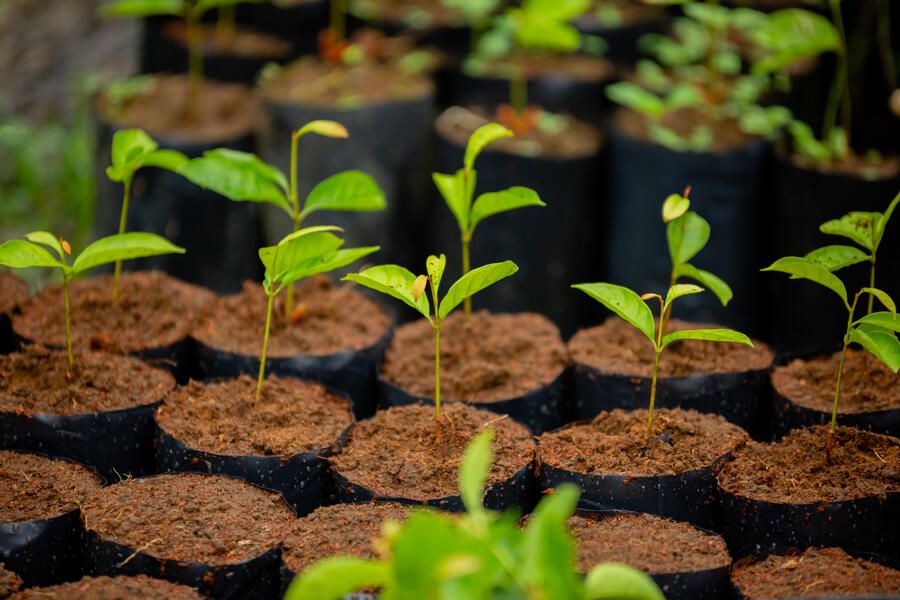
Created in 2004, the Michelin Ecological Reserve was designed to reconcile industrial rubber production with biodiversity conservation while benefiting local community. The main challenges were to prevent illegal activities in the forest and establish a conservation team. Today, rubber production continues only for agronomic research. Over the years, the reserve has become a recognized benchmark for protecting and restoring the Atlantic Forest.
An ecosystem full of life
An ecosystem full of life
Restoration is patient work measured over the long term. More than 112,000 trees from 347 species have been planted, recreating corridors that allow wildlife to access these areas.
More than 2,500 species have been recorded in the reserve, around forty of which are new to science. Since the reserve was created, populations of mammals and large birds, including threatened species, have increased by 117%.
New rubber-tree varieties
New rubber-tree varieties
Nearly 400 hectares are dedicated to research into new high-yield, disease-resistant rubber-tree varieties. This work generates lessons that extend far beyond the site and helps build more robust agricultural models that are more respectful of ecosystems.
Working closely with communities and their needs
Working closely with communities and their needs
Young people receive training on environmental challenges so they can better understand and protect their region. Women benefit from dedicated programmes that encourage them to fulfil their potential and develop leadership at work, as future leaders and in local life.
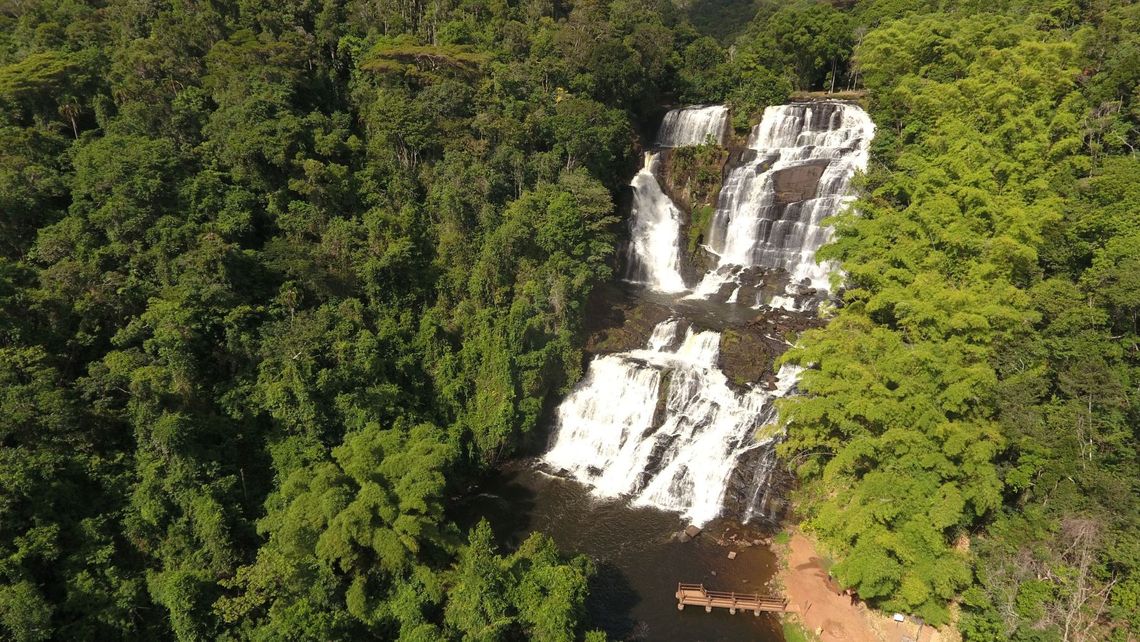
Each year, up to 84,000 visitors discover the site, including the spectacular Pancada Grande waterfall, the largest on the Bahia coast. Michelin provides an ecotourism service and helps keep the site clean and safe.
40 species discovered
40 species discovered
Nature is taking over again in the Michelin Ecological Reserve. 40 species, new to science, have been discovered by independent scientists.
These include the frog Adelophryne michelin, the snail Oxychona michelinae, the spider Melychiopharis bibendum, the mayfly Askola michelin, and the plant Begonia micheliniana.
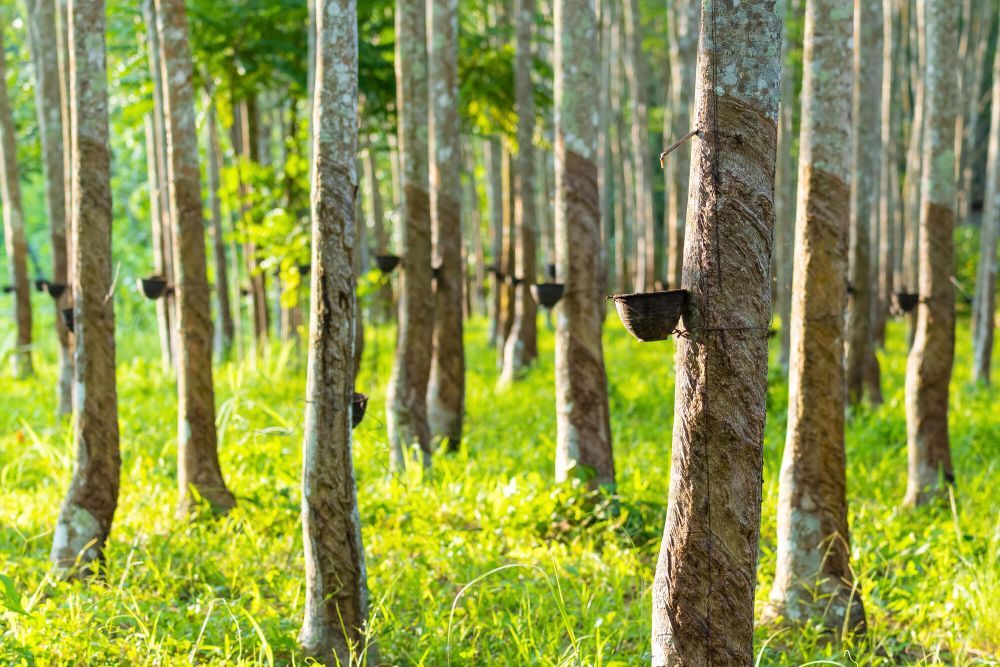
NTEQ Polymer in Thailand
The NTEQ Polymer joint venture was founded in 2010 in Mukdahan, Thailand. Its ambition is to become a global centre of excellence in natural rubber processing, with a significant share of its activity dedicated to Research and Development.
Certified to ISO 14001 for environmental management and TLS 8001-2010 for labour management, NTEQ Polymer has also received Thailand’s Green Industry Award. TLS stands for Thai Labour Standard.
Supporting producers
Supporting smallholders and enabling them to prosper can change the lives of thousands of families and transform an entire value chain.
When smallholders adopt more environmentally responsible practices and strengthen their skills, the whole natural rubber sector changes. This is the ambition behind programmes such as CASCADE and MAHAKAM in Indonesia, RIVER in Sri Lanka and HARVEST in Thailand.
By the end of 2025, more than 90,000 rubber growers had received field training from Michelin, its subsidiaries, joint ventures and partners.
RIVER in Sri Lanka
Objective: train 6,000 farmers in effective rubber-tree tapping techniques, agroforestry and environmental conservation. By combining in-person training and digital tools, the programme is designed to deliver lasting impact at scale.
Families such as the Pushpakumaras have seen their lives change. By adopting new techniques and rebuilding confidence, they have increased their income and can look towards a more stable and promising future.
The three-year RIVER project is a partnership between the French Ministry of the Economy and Finance, the Sri Lankan Ministry of Plantations, Michelin Lanka and Ksapa, a purpose-driven company that played a key role in programme design and local implementation.
Rural communities in Sri Lanka are becoming more environmentally and economically resilient. With 5,765 farmers trained by the RIVER project by the end of 2025, stronger skills and the sharing of local know-how are contributing to the region’s development objectives.
CASCADE in Indonesia
Objective: build the skills of 6,500 natural rubber smallholders in Central Sumatra, Indonesia, by 2027.
CASCADE, which stands for Committed Actions for Smallholder CApacity DEvelopment, is a unique Michelin and Porsche project involving the entire supply chain, from the carmaker to smallholder farmers.
Smallholders receive training in better agricultural, environmental and social practices, including tapping techniques, disease management, health and safety. Training also covers market prices and income diversification through crops grown alongside rubber. Since 2025, it has also addressed nature protection, social and human rights, and business culture.
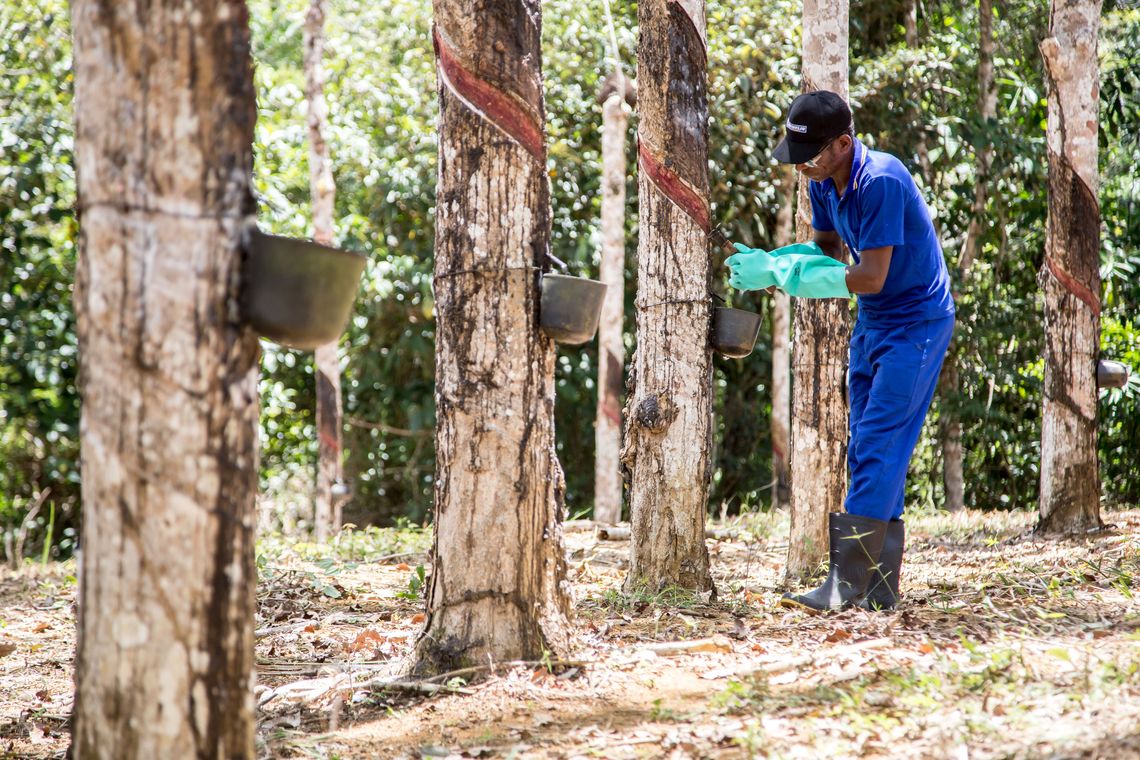
By the end of 2025, more than 3,600 natural rubber smallholders had been trained. The project helps address social and environmental risks linked to natural rubber production, based on findings from assessments conducted using the RubberWay™ application.
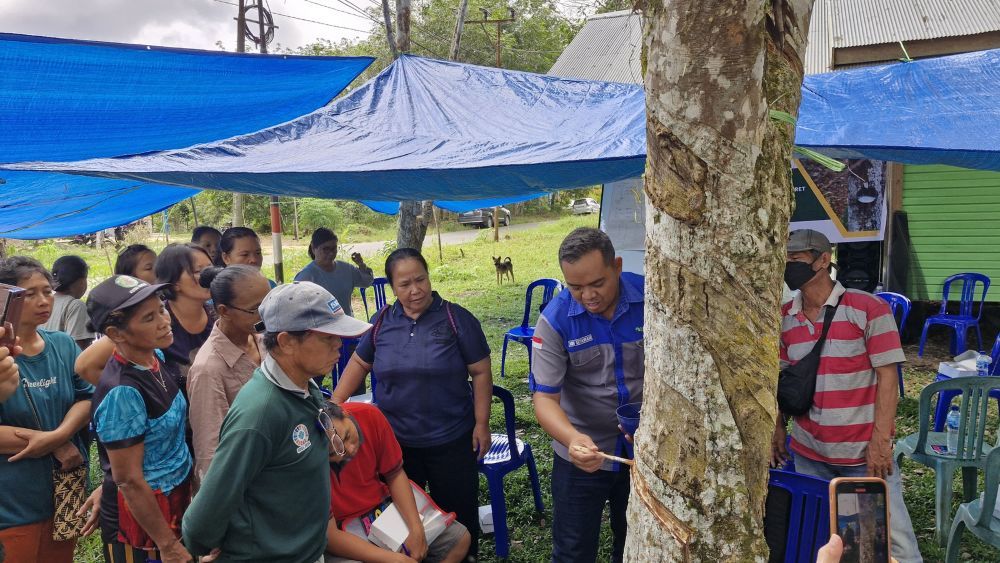
MAHAKAM in Indonesia
Building on lessons from CASCADE, a similar capacity-building project called MAHAKAM was launched in East Kalimantan, Indonesia.
Following pilot training for smallholder groups in 2023, the project expanded to more communities. By the end of 2025, 2,055 farmers had been trained.
Agroforestry in Thailand
Objective: diversify smallholder income and improve both livelihoods and environmental impact by integrating a range of trees, plants and food crops into farming systems.
Michelin funded a Global Platform for Sustainable Natural Rubber agroforestry project in Thailand, the world’s leading producer.
Positive Impacts of Agroforestry Systems: additional sources of income, reduced use of agrochemical inputs, increased carbon sequestration and biodiversity.
AMAZONAS in Brazil
Supported by WWF-Brazil and the Michelin Corporate Foundation, this project helps preserve the Amazon biome by supporting a responsible local natural rubber value chain within the Brazilian Amazon. It promotes the socioeconomic development of local communities while helping keep the forest standing through the sustainable tapping of native rubber trees.
The project aims to create a positive economic impact for 1,000 families through the management of 767,600 hectares within 14 conservation units in Amazonas State. Production of 700 tonnes of rubber is expected to stimulate the local economy while meeting defined social and environmental standards
By the end of the 2025 latex harvesting season, approximately 635 families had participated in the project, collectively producing nearly 160 tonnes of natural rubber.
Mobilising an entire value chain
No single stakeholder can transform a value chain alone. CASCADE, conducted with Porsche in Indonesia, demonstrates the power of collaboration across the value chain to improve productivity today and protect ecosystems for tomorrow.
Beyond targeted projects, Michelin participates in global organisations that promote better practices in the natural rubber industry.
Natural rubber is far more than a rawmaterial:itis a vital resource for thousandsofsmallholderfarmers and forMichelin’soperations.Preserving it requiresambition,expertise andtenacity. In this spirit,our Groupworks withstakeholders across thevalue chainto improvefarmers’ livelihoods andprotectforests andecosystems.
International Rubber Study Group
This collaboration led to the Sustainable Natural Rubber Initiative (SNR-i), which helped catalyse the creation of the GPSNR.
Global Platform for Sustainable Natural Rubber
Launched in October 2018, the GPSNR is a multi-stakeholder platform that aims to support the sustainability transition of the entire value chain. It brings together tire manufacturers, NGOs, producers, including smallholders, and other industry participants, with more than 100 members.
Tire Industry Project
Created in 2015 within the World Business Council for Sustainable Development, the Tire Industry Project is a global, CEO-led forum for the tire industry addressing sustainability issues linked to potential impacts from tire production through use.
It brings together ten major companies representing around 65% of global tire manufacturing capacity and addresses natural rubber topics.
Trace & assess
Tangible actions and results independently assessed.
Michelin has developed traceability, transparency and responsible standards throughout the value chain. The rigour of its approach is recognised internationally.
Risk mapping with Rubberway™
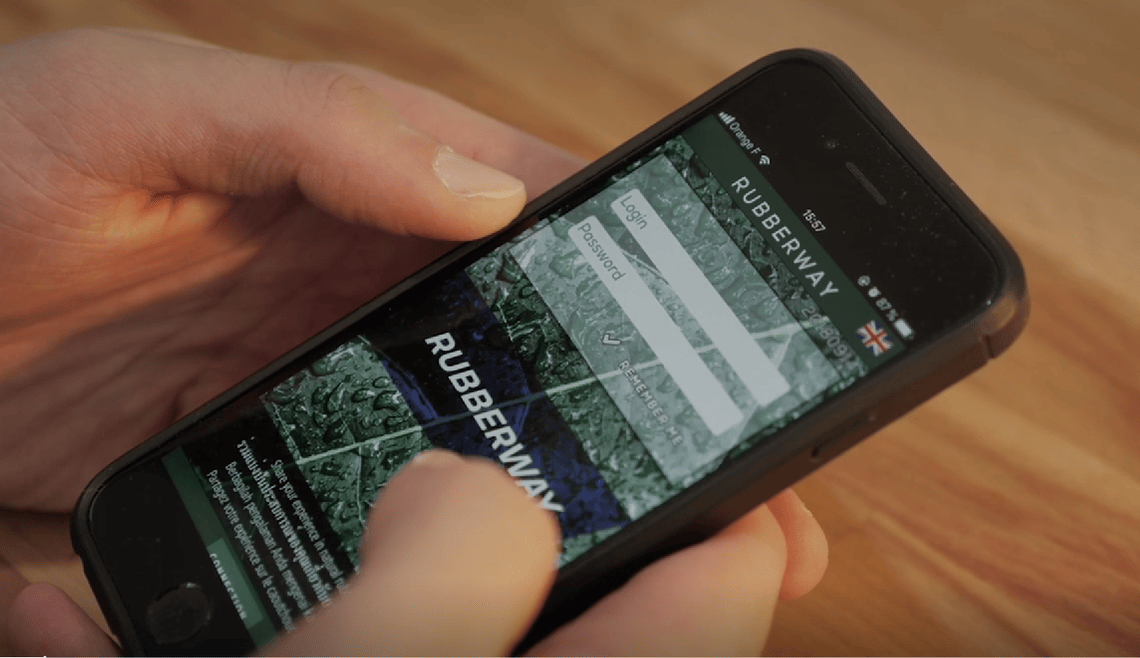
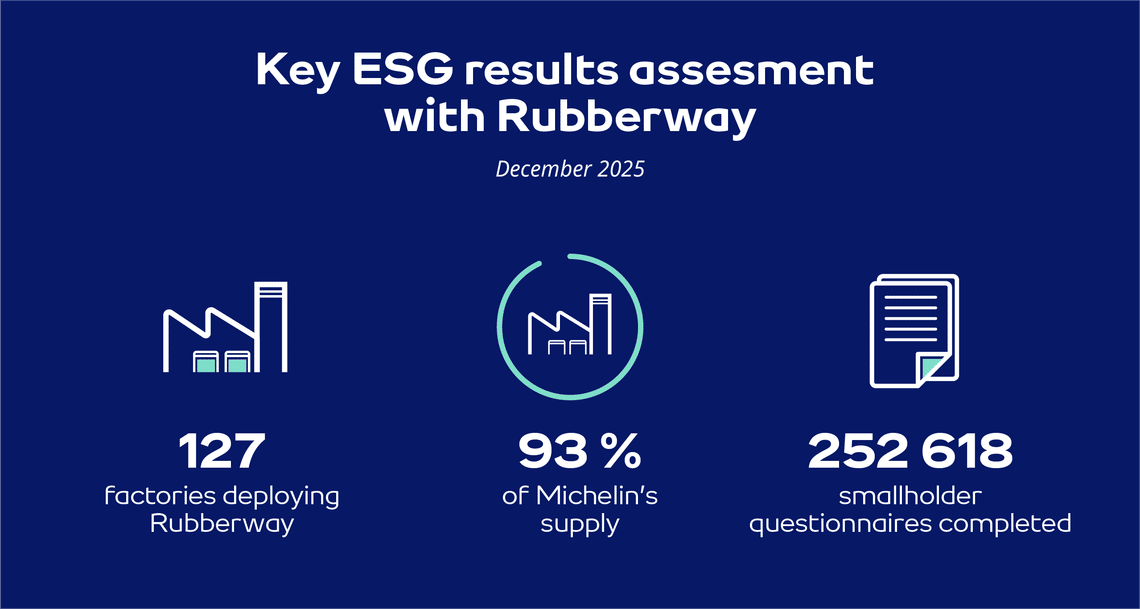
In 2017, working with its suppliers, Michelin strengthened the mapping of social and environmental risks in its upstream natural rubber supply chain through RubberWay™, a mobile application.
Data collected are analysed on a web platform that maps areas of potential social and environmental risk.
Evidence of deforestation-free natural rubber
Michelin actively supports the timely implementation of the European Union Deforestation Regulation and its traceability requirements.
Since its public commitment in 2015, the Group has sourced only deforestation-free natural rubber.
Always a pioneer, the Group invested early and significantly in a range of systems to substantiate this: geolocation and analysis of each plot, questionnaires and regulatory evidence, strict selection of compliant materials, logistics controls and the transfer of legal documents.
Recognised sustainability leadership
Michelin is ranked first in its sector by Forest IQ and, for the fourth consecutive year, bySPOTT,with over 80% compliance with the assessed leading standards.
SPOTT assesses commodity producers, processors and traders based on the information they publish about their organisation, policies and environmental, social and governance practices.
Natural rubber suppliers are regularly audited to ensure that their manufactured products meet Group quality standards and comply with labour and environmental requirements.
Innovating to secure the future
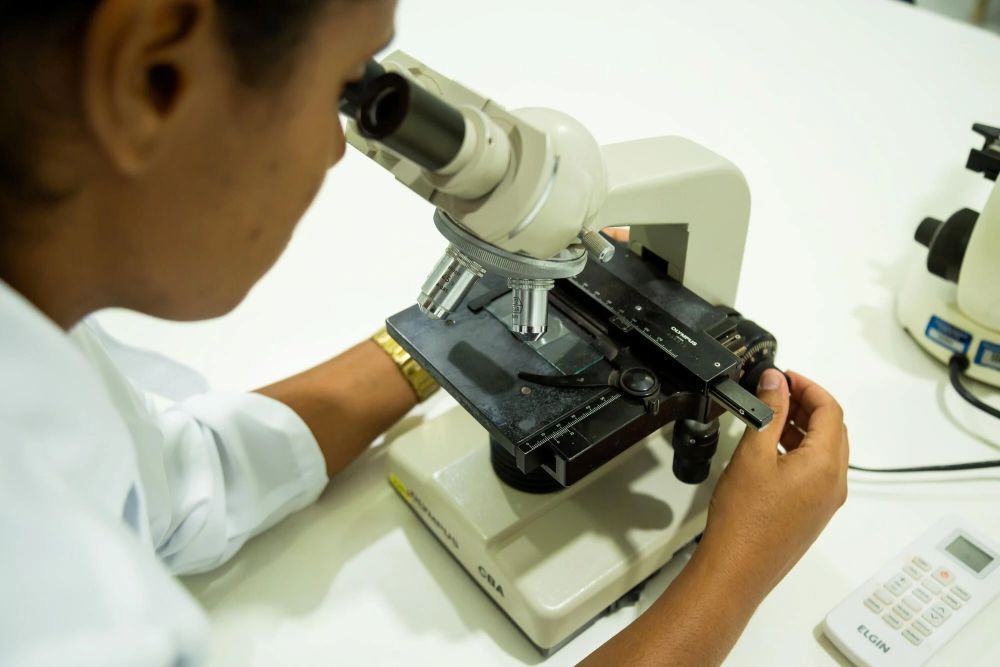
Innovation is essential to limit pressure on land while meeting growing global demand for natural rubber.
Long-standing partnerships
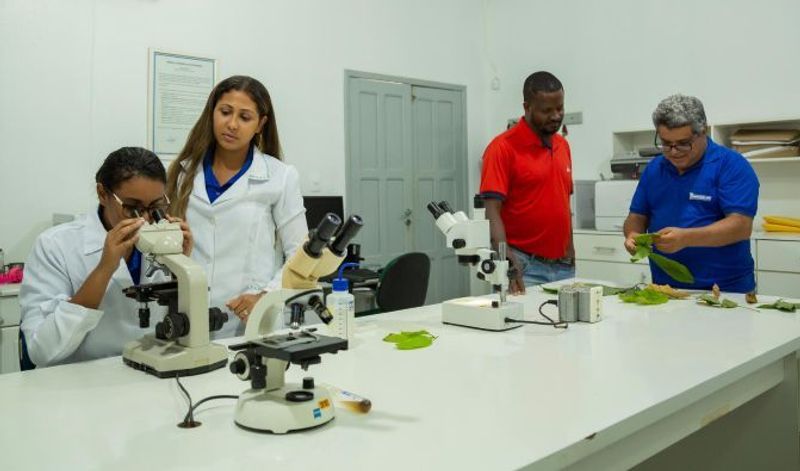
To improve plantation productivity, Michelin works with partners including CIRAD and the French Rubber Institute on farming systems and more productive rubber-tree varieties that require less frequent tapping.
Michelin also conducts natural rubber research with CIRAD, the International Rubber Research and Development Board, and research or academic institutes in Brazil, France and Thailand.
Experimental work is conducted in Brazil (Bahia), West Africa, Indonesia and Thailand through subsidiaries and joint ventures. This long-standing operational presence at the heart of the value chain on every continent gives Michelin recognised expertise and practical levers for positive change.
Creating more resistant varieties in Bahia, Brazil
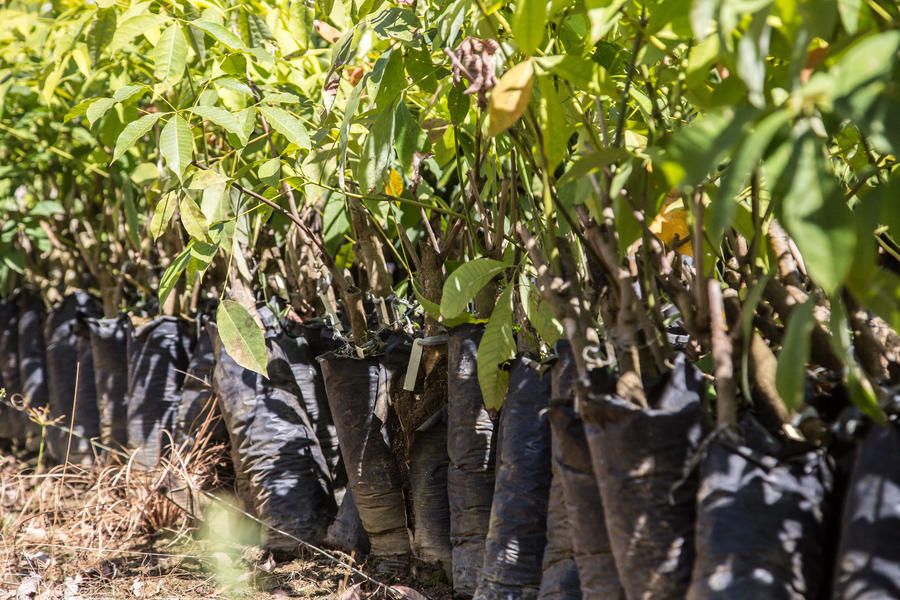
Around 400 hectares are dedicated to research into new high-yield, disease-resistant rubber-tree varieties. More than 30,000 varieties have been created and tested to select elite cultivars for distribution to farmers in producing countries.
Since 1992, Michelin and CIRAD have led pioneering research into rubber-tree varieties resistant to Pseudocercospora ulei. The fungus is a genuine global threat to rubber production. Michelin and CIRAD created CMB75, the first elite material from this programme to combine high yield with strong resistance to South American leaf blight, which is endemic in the region.
Preventing crop-health risks
Current and emerging diseases and pests pose a significant risk to natural rubber cultivation and production.
In partnership with research institutes, Michelin is directly involved in programmes addressing the most serious threats, including: in Bahia, Brazil, the development of varieties resistant to Microcyclus ulei; in West Africawith the French Natural Rubber Institute, varieties that tolerate Corynespora and Colletotrichum and offer greater wind resistance.
A drastic reduction in pesticide use
Pesticides affect biodiversity, human health and ecosystem health.
As part of its act4nature commitments, Michelin set a target to reduce pesticide use per hectare by 70% by 2030 compared with 2019.
By the end of 2025, the volume used had fallen by 69%. Emerging diseases mean that consolidating and maintaining this result remains a major challenge.
Substances prohibited under the Stockholm and Rotterdam Conventions and the Montreal Protocol, together with products classified by the World Health Organization as extremely hazardous (Ia) or highly hazardous (Ib), are formally prohibited on Michelin plantations.
Climate: Reducing Impact and Adapting to Risks
Michelin maps the potential long-term physical impacts of climate change on natural rubber production. The Group also seeks to improve the carbon footprint of its natural rubber production by contributing to studies on carbon sequestration in rubber cultivation and minimising fertiliser use, notably through the FERTIM project with the French Rubber Institute.
Natural rubber at a glance
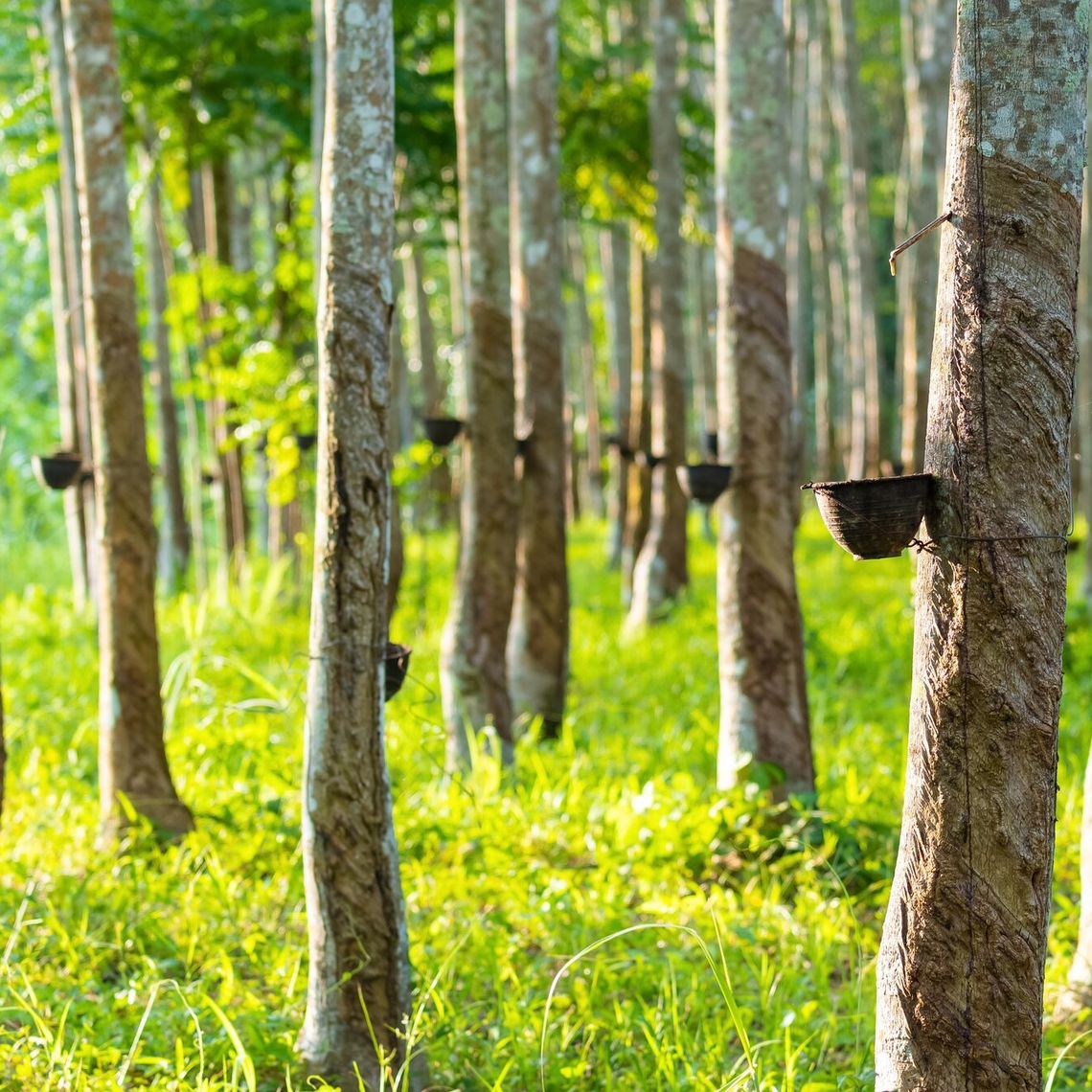
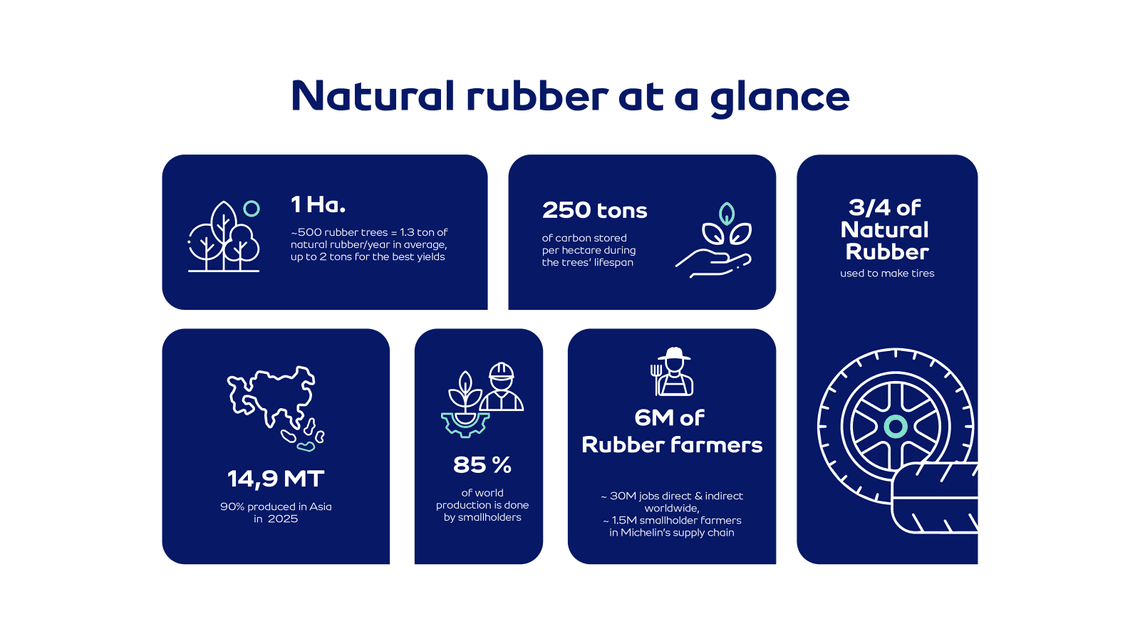
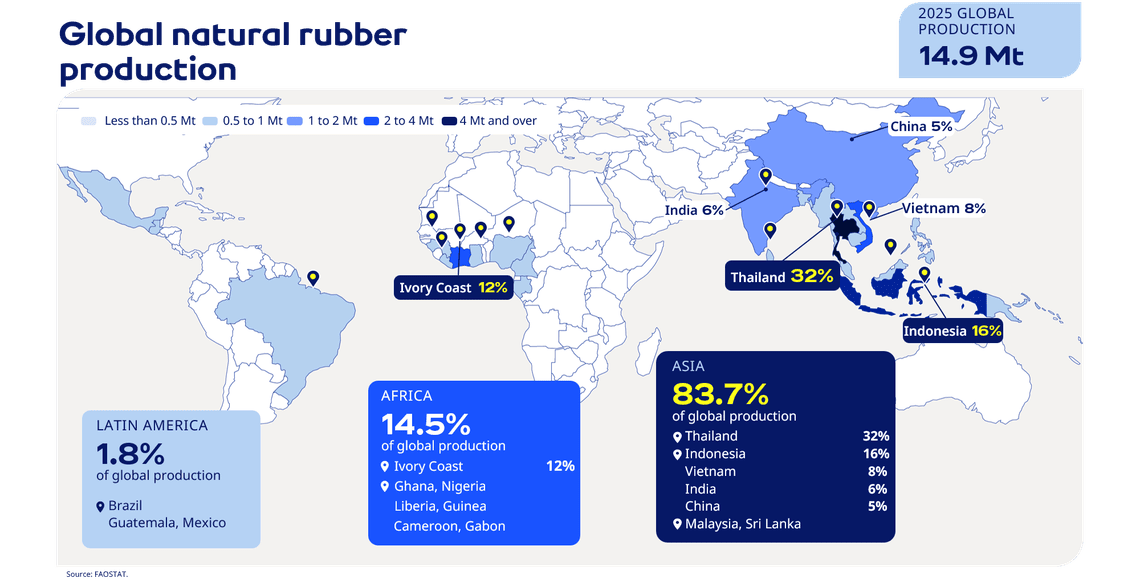
Native to the Amazon rainforest, Hevea brasiliensis grows well throughout the tropics. Today, most production is concentrated in Southeast Asia. Rubber cultivation is straightforward in principle: around 550 trees are planted per hectare and reach maturity after six or seven years. Latex can then be harvested for 20 to 30 years. A single tree produces between 60 and 150 kg of rubber over its lifetime.
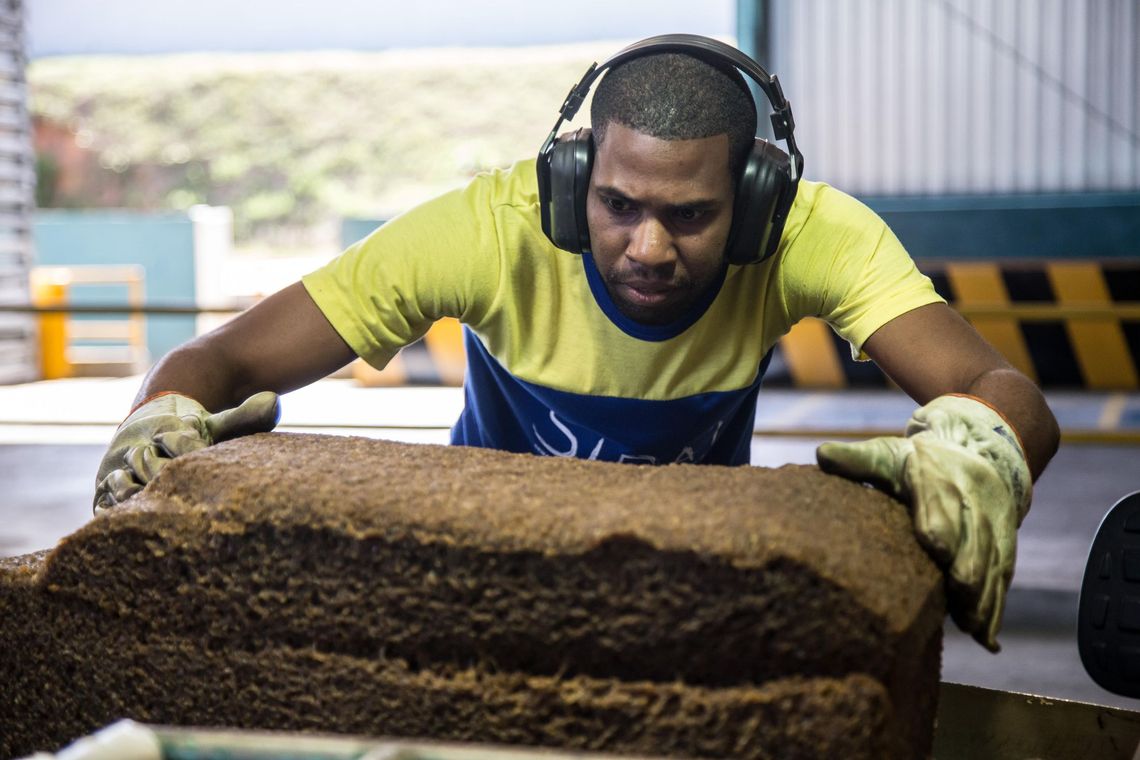
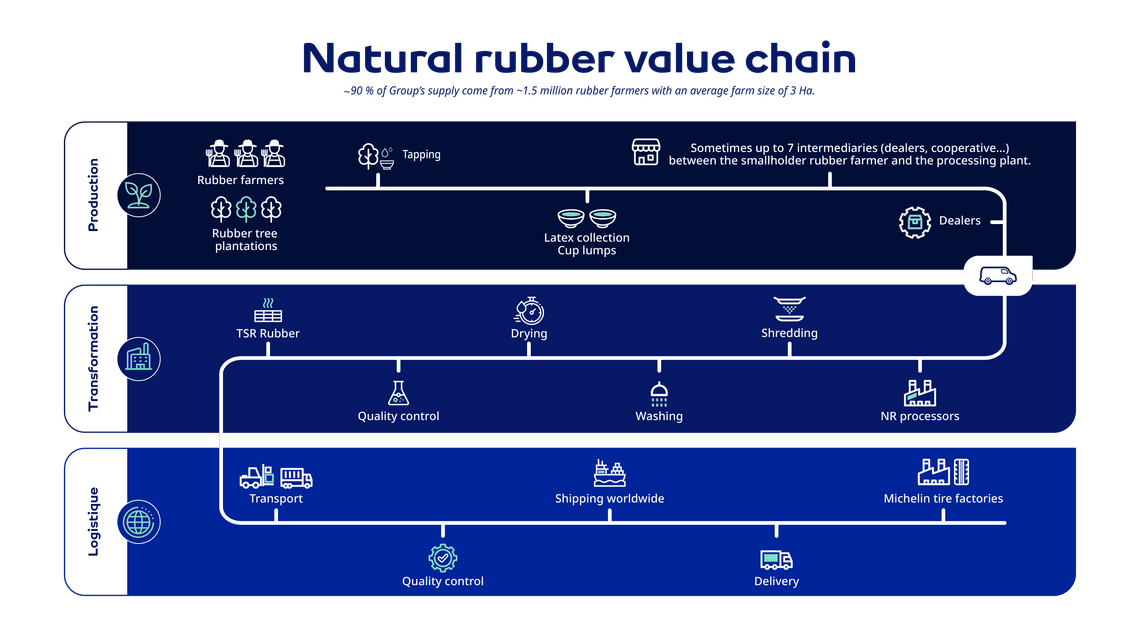
Collected latex can be kept in liquid form or coagulated. It is then processed in factories, where it is washed, homogenised and dried before being supplied to industry. Its unique properties, including elasticity, impermeability, mechanical strength and electrical insulation, make natural rubber indispensable to industry.
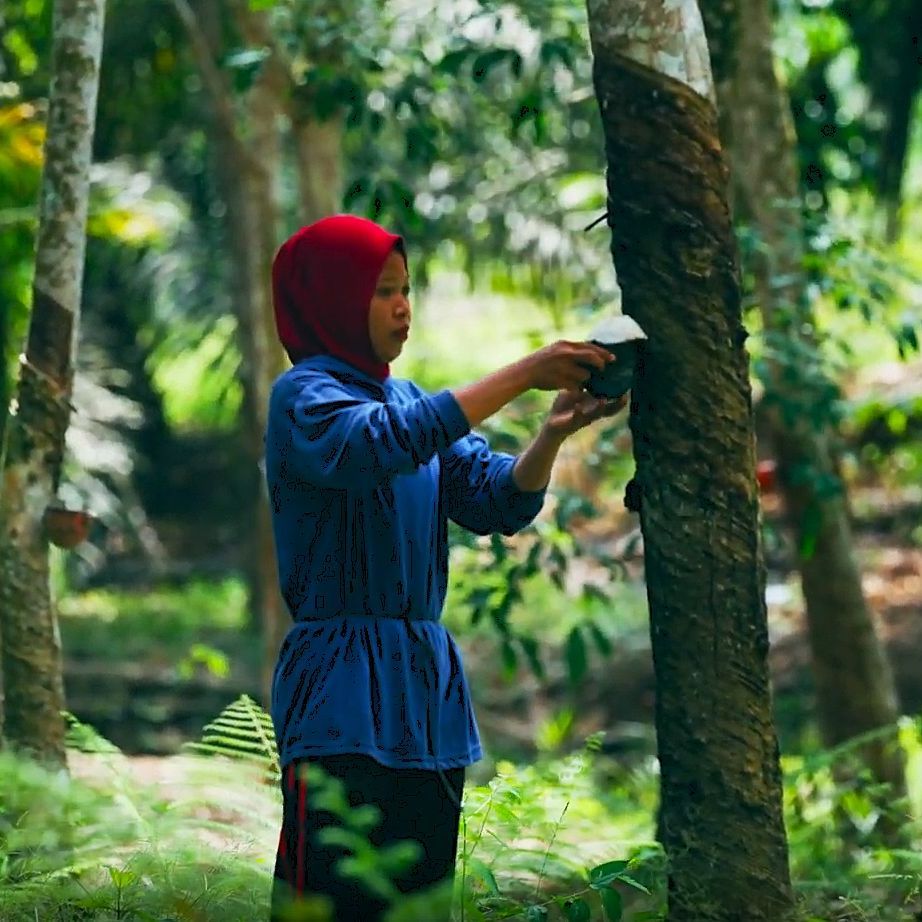
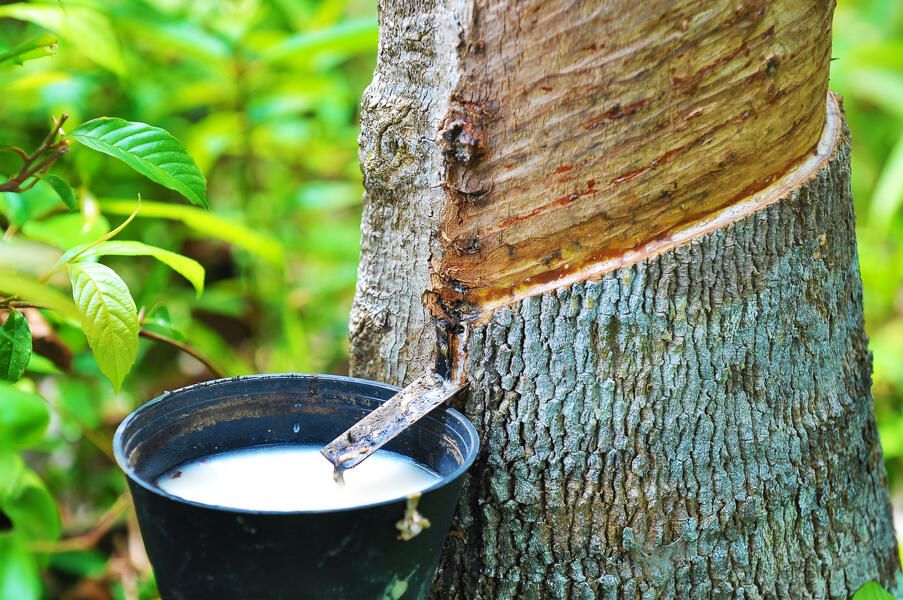
Natural rubber: the tears of a tree
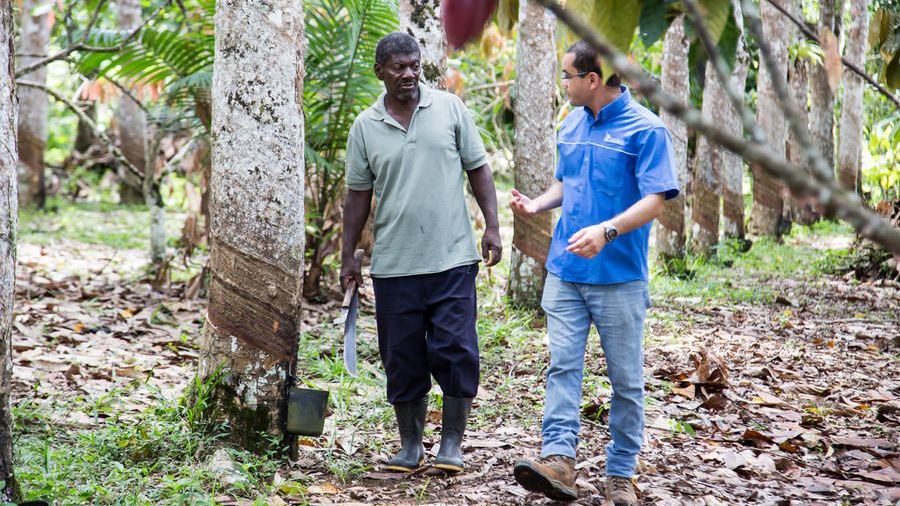
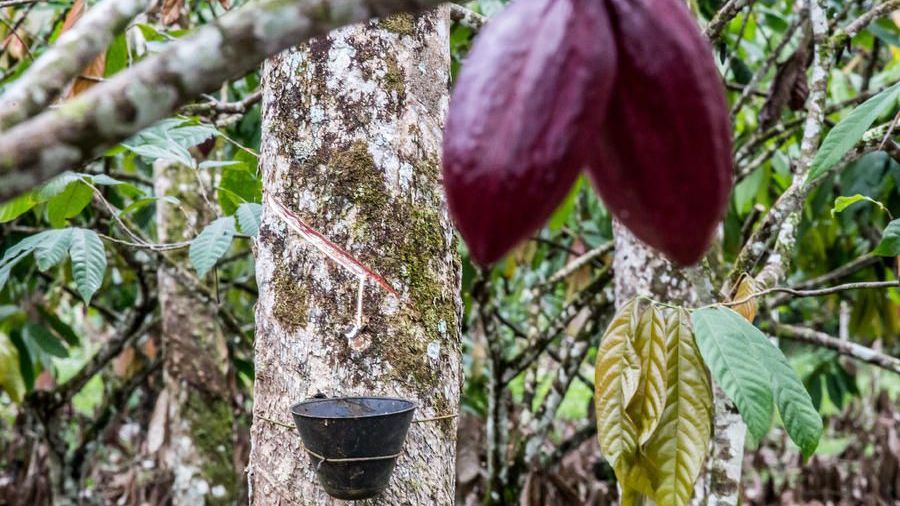
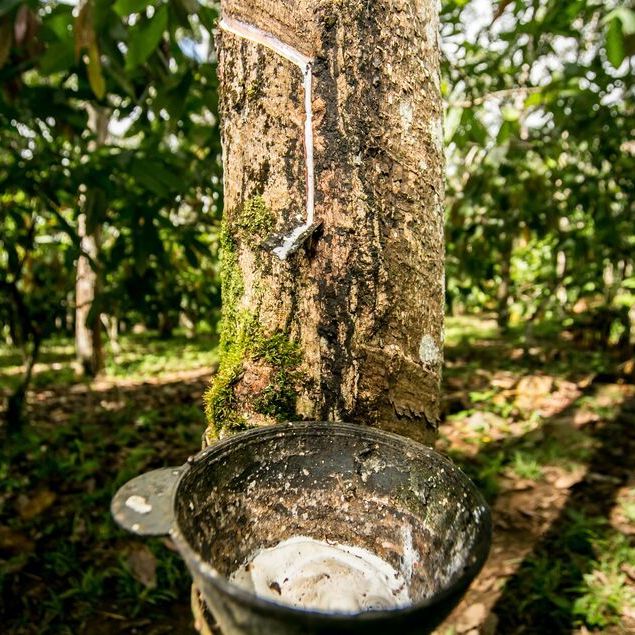
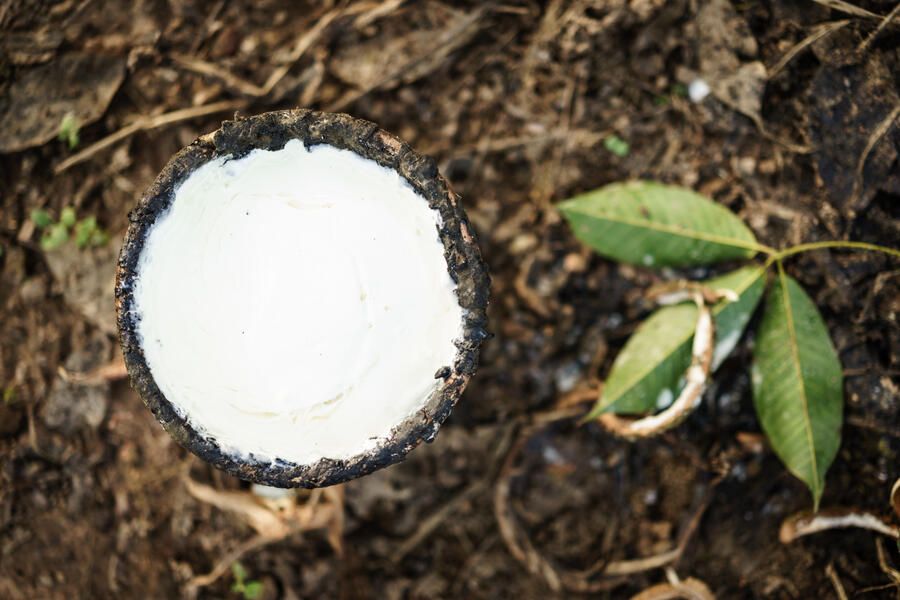
Rubber is harvested by making an incision in the bark of the rubber tree. The word “rubber” in French, caoutchouc, comes from the Amazonian Indigenous words “kau” and “chuk”, together meaning “weeping wood”.
Did you know?
The sector uses relatively few chemical inputs such as fertilisers and pesticides. Rubber cultivation helps protect soil from erosion and contributes to climate stabilisation by acting as a carbon sink. At the end of their productive life, trees remain useful: the wood can be used for furniture or as a renewable energy source.
Main stakeholders
Producers harvest latex. More than 85% of the world’s cultivated rubber area is estimated to consist of very small farms averaging two to three hectares.
Traders collect and buy natural rubber from small farms and sell it to processing plants. Several traders may be involved, creating complex supply chains.
Processing plants transform the raw material into bales of different grades of natural rubber for manufacturing industries.
Brokers buy processed natural rubber and sell it mainly to manufacturers.
Manufacturers buy processed natural rubber and incorporate it into finished or semi-finished products.